Hidden Costs to Watch in Mayfair Removals
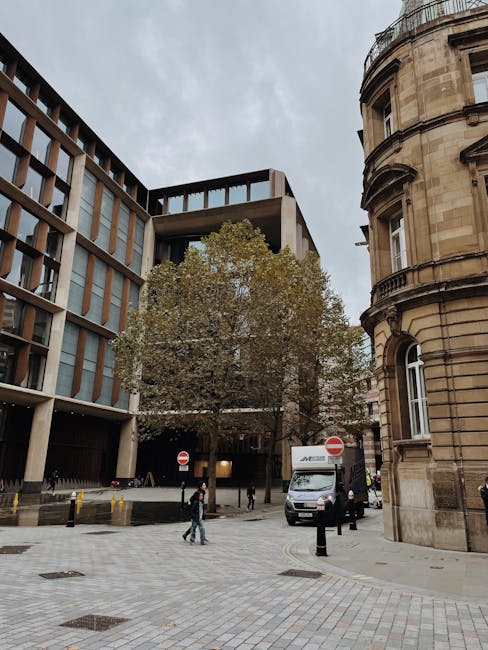
Moving in Mayfair looks straightforward from the outside: a van, a few boxes, a bit of careful lifting, and you are done. In reality, the final bill can creep up fast if you miss the small print. Hidden costs to watch in Mayfair removals often come from access issues, parking headaches, extra packing, waiting time, and the sort of building quirks that only become obvious on moving day. If you are relocating from a flat, townhouse, or office in this part of London, the best savings usually come from knowing what can be charged before it turns into a surprise.
This guide breaks down the charges people overlook, how reputable removal pricing usually works, and what you can do to keep your move tidy, fair, and far less stressful. If you are also comparing different moving styles, it can help to look at the wider context in Mayfair removal companies and the service options in the services overview.
Quick takeaway: the cheapest quote is not always the cheapest move. In Mayfair, access, timing, building rules, and specialist handling can matter more than the headline rate.
Why Hidden Costs to Watch in Mayfair Removals Matters
Mayfair is not a typical move. The streets can be narrow, parking can be awkward, many buildings have concierge rules, and access often depends on lift bookings, loading bays, or very specific time windows. That is exactly why hidden costs matter here more than in a straightforward suburban move.
Let's face it, removal quotes can look neat on paper and still miss the bits that actually chew through budget. A quotation might cover transport and labour, but not the extra porterage from a basement flat, the charge for carrying items up several flights of stairs, or the delay caused by not being able to park directly outside the property. Those little extras add up quickly. Sometimes it is not even one dramatic charge; it is five or six smaller ones. Sneaky, really.
There is also a trust factor. When you understand the likely extras, you can compare providers more fairly and choose based on value rather than the lowest advertised price. That matters whether you are moving a studio, a family home, or a small office. It also helps if you are looking at something specialist like flat removals in Mayfair or planning for heavier pieces through furniture removals.
In our experience, the people who avoid stress are usually not the ones with the biggest budget. They are the ones who ask better questions early.
How Hidden Costs to Watch in Mayfair Removals Works
Removal pricing usually starts with a basic quote. That quote may be fixed, estimated, or based on hourly labour and vehicle time. The hidden costs appear when the real job differs from the assumed job. In Mayfair, the difference often comes down to access, volume, timing, and item type.
Here is the simple version: if the mover has to spend extra time, use extra equipment, handle unusual access, or complete work that was not in the original brief, the price can rise. Some companies build these factors into a more transparent quote. Others itemise them later. Neither approach is automatically bad, but you need clarity before move day.
Common triggers include:
- limited parking or loading restrictions
- stairs, long internal distances, or no lift access
- waiting time because keys are not ready
- extra packing materials
- special handling for fragile or oversized items
- additional insurance needs for high-value possessions
- short-notice booking or same-day re-routing
A good example is a Mayfair apartment in a managed building. The removal team may need to book a lift slot, protect communal areas, and wait for a concierge handover. None of that sounds dramatic, but it can change the job from a simple two-hour move into a half-day operation. That is where costs start to creep.
If your move is time-sensitive, it is worth reading about same-day removals in Mayfair and the practical realities covered in same-day emergency movers in Mayfair. Urgent jobs can be perfectly manageable, but they need more planning than people expect. Funny how the word "urgent" never seems to come with extra breathing space.
Key Benefits and Practical Advantages
Watching for hidden costs is not about being suspicious. It is about being organised. The payoff is simpler than it sounds.
- Better budgeting: you know the likely final total before the move begins.
- Cleaner comparisons: you can compare quotes fairly, rather than chasing the cheapest headline number.
- Less move-day stress: there is less arguing over charges and fewer surprises.
- Smarter service choice: you can decide whether a man and van, full house move, or specialist service fits the job.
- Fewer delays: planning for access and building rules helps the move run smoothly.
The practical advantage is especially strong for premium postcodes like Mayfair, where building layouts and access arrangements are often more complex than average. That is one reason many people do better when they start by checking the wider service options in house removals, man and van services, or a more focused option such as piano removals if the move includes specialist items.
Another quiet benefit: once you know the extra charges to ask about, you often spot a better provider faster. Not the flashiest quote. The clearer one.
Who This Is For and When It Makes Sense
This guide is for anyone moving in or out of Mayfair who does not want to discover extra charges after the van has already arrived. That includes residents, landlords, tenants, office managers, and property professionals arranging relocations for others.
It is especially useful if you are:
- moving from a serviced apartment or managed block
- relocating from a townhouse with awkward access
- moving valuable furniture or fragile pieces
- booking a short-notice move
- comparing hourly and fixed-price removal quotes
- trying to keep relocation costs under control without cutting corners
Students and smaller-scale movers often assume hidden charges are only a concern for big homes. Not really. A small flat move can still involve stair charges, parking penalties, or packing costs. If that sounds familiar, it is worth comparing notes with student removals in Mayfair and the practical guidance around man with van Mayfair services.
Sometimes the trigger is the type of property rather than the amount of stuff. A compact flat with poor lift access can be more complicated than a larger house with a proper loading point. That catches people out all the time.
Step-by-Step Guidance
If you want to avoid surprises, work through the move in order. That is the cleanest way to spot hidden costs before they become real charges.
- List everything being moved. Include bulky furniture, fragile items, artwork, mirrors, and anything awkward like a piano or antique cabinet.
- Check access at both addresses. Ask about stairs, lift size, parking, loading restrictions, and how far the vehicle will be from the door.
- Clarify packing expectations. Decide whether you are self-packing or need professional packing support and materials.
- Ask how the quote is built. Find out whether it is fixed, estimated, hourly, or partly based on final survey details.
- Confirm waiting-time rules. If keys are delayed, what happens? If the building is not ready, what is charged?
- Discuss insurance and special handling. Valuable or delicate items may need specific cover or handling notes.
- Get the extras in writing. Even a brief written summary helps prevent misunderstandings later.
- Prepare the building side. Book lifts, notify concierge teams, and reserve parking where possible.
A useful habit is to imagine the move in real time. Where will the van stop? Who opens the door? Where do boxes pause if a lift is busy? What if one room has awkward stairs? Those little "what if" questions are where the hidden costs live.
If you need packing help, the details in packing and boxes can help you understand how materials and preparation affect the final price. And if you are moving specialist items, do not assume every removal service is set up for them. Ask directly. Saves headaches.
Expert Tips for Better Results
Here are the habits that tend to save the most money without making the move feel cheap or rushed.
- Always ask what is not included. That one question can reveal more than ten minutes of general chat.
- Share photos early. Staircases, hallways, door widths, and parking points tell a real story.
- Measure awkward items. Large wardrobes and sofas can create access problems that were not obvious at first glance.
- Be honest about volume. Underestimating the load usually leads to revision fees or a second trip.
- Flag high-value or fragile items in advance. Mirrors, chandeliers, art, and instruments deserve a proper plan.
- Choose the right service level. A simple van hire is not always better than a more structured removal service.
- Check payment terms carefully. Deposits, card fees, and balance timing can all affect the final spend.
One more thing: if your move has a tricky route, say so early. A provider can plan manpower and equipment better if they know the reality rather than the hopeful version. And yes, every mover has heard "it should only take a minute" a thousand times.
For more specialist or higher-touch moves, it can be useful to compare man and a van in Mayfair with more comprehensive removal services. The right choice depends less on prestige and more on whether the service matches the job.
Common Mistakes to Avoid
Most hidden-cost problems are preventable. The trouble is that people often make the same few mistakes, usually because they are busy and trying to move quickly.
- Focusing only on the headline price. A quote can look excellent until add-ons appear.
- Ignoring access details. Mayfair buildings can be lovely, but lovely buildings still have stairs.
- Assuming packing is included. It often is not, at least not fully.
- Not checking the waiting policy. A delayed key handover can cost more than expected.
- Forgetting insurance implications. High-value or delicate items may need more than a standard assumption.
- Booking too late. Last-minute moves can be possible, but they can cost more and limit choice.
- Leaving item details vague. "A few pieces of furniture" is not very helpful, honestly.
Another common mistake is failing to read the terms and conditions properly. It is not the most thrilling part of moving, granted, but it is where the charge structure usually hides in plain sight. If you want a calmer move, also check the company's terms and conditions and insurance and safety guidance before you commit.
Tools, Resources and Recommendations
You do not need fancy software to avoid hidden removal costs. A simple, organised approach usually works better.
- Move inventory list: write down every room and key item so the quote reflects the real job.
- Photo set: take quick photos of entrances, stairwells, parking points, and bulky furniture.
- Calendar notes: track lift bookings, concierge rules, and key collection timing.
- Measurements: keep dimensions for sofas, wardrobes, beds, pianos, and anything oversized.
- Budget buffer: keep a sensible margin for genuine extras, especially in central London.
Useful service pages can also help you compare what level of help makes sense. For example, a straightforward relocation might fit man with a van, while a fuller move may need house removals or a more bespoke approach. If you are moving a heavier item, the right recommendation may be furniture removals rather than a general service.
If sustainability matters to you, it is also worth thinking about reusable packing materials and what happens to unwanted items. The company's approach to recycling and sustainability can be part of the overall value, not just a nice extra.
Law, Compliance, Standards, or Best Practice
Removal companies working in London normally need to operate with sensible care around property protection, public safety, and customer information. For your side of the move, the main practical point is simple: make sure the arrangement is clear, documented, and safe.
Best practice usually includes:
- clear written quotes or estimates
- transparent explanation of extra charges
- appropriate handling for valuables and fragile items
- safe lifting and carrying methods
- respect for building rules, loading restrictions, and access requirements
- reasonable communication before and during the move
It is also sensible to check how the company handles complaints, privacy, and payment security. That is just good business hygiene, really. If something does go wrong, you want to know there is a fair process. The relevant pages on complaints procedure, privacy policy, and payment and security can help set expectations before you book.
For commercial or residential moves with health and safety considerations, especially around heavy items or narrow access, it is worth checking how the team thinks about risk and protection. A careful mover will be happy to talk through it. If they seem evasive, that is usually your clue.
Options, Methods, or Comparison Table
Not every move needs the same setup. The right option depends on how much you are moving, how awkward the property is, and how much help you want on the day.
| Option | Best for | Typical risk of hidden costs | What to check first |
|---|---|---|---|
| Man and van | Smaller loads, flexible moves, quick transfers | Medium | Waiting time, parking, number of trips, stairs |
| Full removal service | Households, larger flats, more furniture | Lower if quoted well | Packing, access, item list, insurance |
| Specialist item move | Pianos, antiques, oversized or fragile pieces | Medium to high if not planned | Handling method, crew size, protective materials |
| Same-day move | Urgent or short-notice relocations | High if requirements change | Availability, travel time, flexible pricing rules |
There is no universally "best" method. If your move is simple, a lighter service may be fine. If your building access is complicated, paying for the right support up front can actually reduce cost because it cuts delays and avoids mistakes.
If you are unsure what level of service fits your situation, browsing removals in Mayfair alongside a more specific page such as removal van options can help you compare the practical difference between the choices.
Case Study or Real-World Example
Picture a professional couple moving from a Mayfair apartment into a townhouse a few streets away. On paper, it sounds easy. Short distance. Not many rooms. A decent van should do it.
Then the real details appear. The apartment has a narrow internal lift, the loading bay needs booking, the new property has a tight entrance hall, and one of the wardrobes will not fit through the doorway unless it is dismantled. The couple also want boxes supplied, fragile items wrapped, and the move completed before a key handover deadline in the afternoon.
None of those issues is dramatic on its own. Together, they change the job materially. A quote that looked affordable suddenly looks thin because it did not allow for extra labour, dismantling, waiting time, or packing materials. In a case like that, the true value comes from a provider who spots the problems early rather than one who smiles and hopes for the best.
This is why tailored help can matter so much for niche jobs like Mount Street flats removals, access-heavy moves around Berkeley Square, or larger property transitions such as Brook Street townhouse removals. The layout changes the economics. Every time.
Practical Checklist
Use this before you confirm the booking.
- Have I listed every item being moved?
- Do I know whether packing is included or extra?
- Have I confirmed stairs, lift access, and loading arrangements?
- Is parking sorted at both ends?
- Have I asked about waiting-time charges?
- Do I know if furniture dismantling or reassembly costs extra?
- Are there fragile, oversized, or high-value items that need special handling?
- Have I checked whether the quote is fixed or estimated?
- Do I understand the payment terms and deposit requirements?
- Have I read the cancellation, complaints, and insurance details?
Expert summary: if you only remember three things, remember this: confirm access, confirm packing, confirm the quote basis. Those three checks prevent a remarkable number of unpleasant surprises.
Conclusion
Hidden costs to watch in Mayfair removals are not just an annoyance; they can be the difference between a calm move and a frantic one. The good news is that most of them are predictable once you know where to look. Access, timing, packing, insurance, and special handling are the usual suspects. Ask clearly, plan early, and make sure the quote reflects the real job rather than the idealised version.
Mayfair moves often feel more complex than they should, but that is manageable. When you understand the moving pieces, you make better decisions and avoid paying for uncertainty. And honestly, that is half the battle.
Get a free quote today and see how much you can save.
Frequently Asked Questions
What are the most common hidden costs in Mayfair removals?
The most common extras are parking or access-related charges, waiting time, packing materials, stair carries, furniture dismantling, and special handling for delicate or valuable items. In Mayfair, building access is often the big one.
Why are removals in Mayfair more likely to have extra charges?
Because the area often involves limited parking, controlled access, managed buildings, and properties with stairs or tight entrances. That combination can turn a simple move into a more labour-heavy job.
How can I tell if a removal quote is genuinely inclusive?
Ask exactly what is included, what is excluded, and how access issues are charged. A good quote should explain packing, loading, waiting time, and any special handling in plain language.
Do packing materials usually cost extra?
Yes, often they do. Boxes, tape, wrapping paper, wardrobe cartons, and protective covers are frequently billed separately unless the quote states otherwise.
Is a man and van service cheaper once hidden costs are added?
Sometimes yes, sometimes no. A smaller service can be cost-effective for simple moves, but if the job involves many trips, stairs, or waiting time, the total can creep up quickly.
What should I ask about parking before moving day?
Ask where the vehicle can stop, whether a permit is needed, whether the road has loading restrictions, and whether there is a fallback plan if the nearest space is taken. That detail matters more than people think.
Do I need specialist help for large furniture or a piano?
If the item is heavy, valuable, or awkward to move safely, specialist help is usually the sensible choice. It reduces the risk of damage and can prevent avoidable delays.
Can I reduce hidden costs by packing everything myself?
Yes, self-packing can lower the bill, but only if it is done properly. Poor packing can lead to breakages, delays, and more handling time, which can cost you in a different way.
Are same-day removals more expensive?
They can be, because short-notice work usually limits planning time and may require more flexibility from the team. That does not make them a bad option, just one to budget for carefully.
What if my keys are delayed on moving day?
Ask the mover in advance how waiting time is charged if keys are late. This is one of the most common ways a move can become more expensive without anyone doing anything wrong.
Should I choose the cheapest quote or the clearest one?
Usually the clearest one. A slightly higher quote that includes the real work often ends up better value than a low quote that grows during the day. Cheap is nice. Predictable is nicer.
Where can I compare different removal options for Mayfair?
Start by looking at the available service types, from smaller van-based moves to fuller support for houses, flats, and specialist items. That makes it easier to match the service to your actual moving needs.
And if you are doing this in the middle of a busy week, with boxes stacked by the door and a kettle you keep forgetting to pack, take a breath. A well-planned move is still a move, not a military operation. One careful step at a time.