Berkeley Square Moves: Packing & Access Tips, Mayfair
Posted on 14/05/2026
Berkeley Square Moves: Packing & Access Tips, Mayfair
Moving in and around Berkeley Square is a different sort of challenge. The streets are polished, the buildings are often elegant but awkward to access, and the margin for error can be annoyingly small. If you are planning a move in Mayfair, the right packing plan and access strategy can save time, reduce stress, and prevent the kind of problems that always seem to happen at the worst possible moment.
This guide to Berkeley Square moves: packing & access tips, Mayfair is designed to help you prepare properly, whether you are leaving a flat, moving into a townhouse, handling a business relocation, or coordinating a premium home move with tight access. We will look at what matters, how the process works, which methods make life easier, and the mistakes people tend to make when they assume a central London move will "just work itself out". It won't, truth be told. But with the right plan, it can be smooth.
If you are still comparing services, it can help to browse removal services in Mayfair and the broader services overview so you know what support is available before the moving day pressure kicks in.
Below, you will find practical packing advice, access notes, a comparison table, a real-world example, and a checklist you can actually use. No fluff, no empty reassurance. Just useful guidance for a move in one of London's most exacting postcodes.
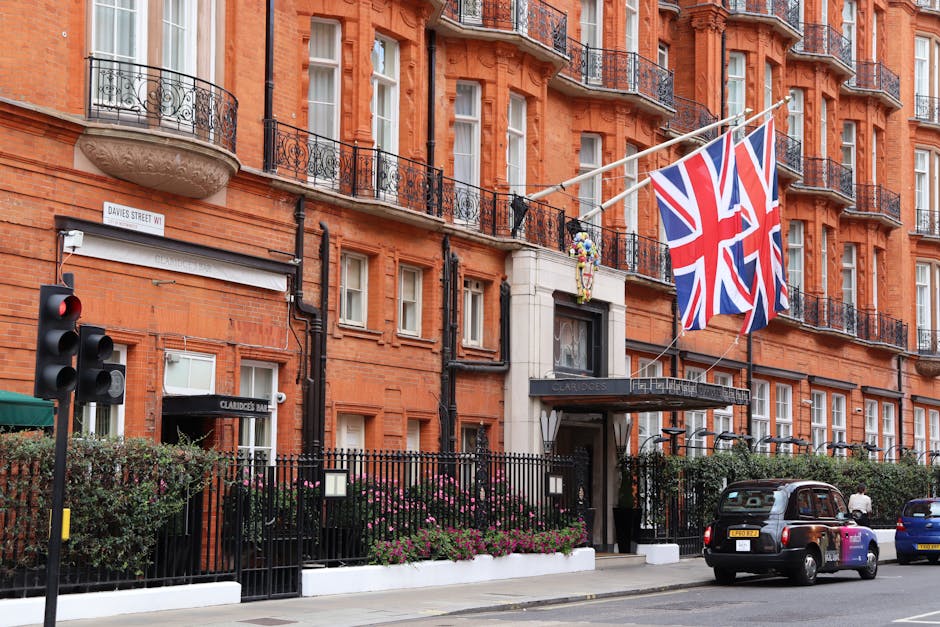
Why Berkeley Square Moves: Packing & Access Tips, Mayfair Matters
Berkeley Square sits in the heart of Mayfair, and that matters because central London moves are shaped by the environment around them. You are not dealing with a wide suburban driveway where a van can park beside the front door for an hour without anyone blinking. You are dealing with controlled access, narrow time windows, neighbours, concierge teams, loading restrictions, and often valuable or delicate belongings that need careful handling.
Packing and access planning become especially important in this part of Mayfair because small delays can cascade. A box left in the wrong room, a lift that is booked but not available, or a van positioned on the wrong side of the street can turn a tidy move into a long, tiring day. Nobody wants a piano or wardrobe left stranded in the lobby while everyone stands around looking at each other. It happens more often than people think.
There is also a lifestyle side to it. Berkeley Square and the surrounding streets are associated with high-value homes, period properties, office suites, and carefully managed buildings. That means movers are often working around building rules, delivery arrangements, and neighbours who value quiet, order, and discretion. For a good local move, you need to respect all of that from the start.
For readers who are new to the area or considering a longer-term move, the local context matters too. Mayfair has a very particular rhythm, and this is reflected in guides like exploring the appeal of Mayfair and advice from locals about living in Mayfair. Understanding the area helps you plan a move that fits it, rather than fighting against it.
How Berkeley Square Moves: Packing & Access Tips, Mayfair Works
In simple terms, the move works best when packing, access, and timing are planned together. That may sound obvious, but lots of people treat them as separate jobs. They are not. The way you pack affects how the team carries items. The access route affects how the packing should be staged. And the moving schedule affects everything else.
In Berkeley Square, access planning often begins before the first box is taped. A moving team will usually want to know:
- where the vehicle can stop safely
- whether there is a lift, and if it is shared
- the width of staircases, corridors, and doorways
- any concierge or building management requirements
- loading bay rules, time slots, or restrictions
- whether bulky items need dismantling before the move
Packing works in parallel. Fragile items should be boxed with enough cushioning to survive short carries and the occasional bump. Heavier items should be packed in smaller boxes so they are manageable in tight hallways. Furniture should be protected in a way that suits the building, not just the item. A glossy console table and a solid oak wardrobe need different treatment.
If you are moving a flat, the logistics can be slightly simpler than a full townhouse move, but only if you plan them well. A service like flat removals in Mayfair is often ideal for apartments with stairs, lifts, or limited loading access. For heavier or awkward pieces, you may need specialist help such as furniture removals support or even piano moving expertise if you own an instrument that deserves a bit more than "careful handling" as a vague promise.
Sometimes the easiest route is not the obvious one. A side entrance, service lift, or earlier loading window can make the whole move calmer. Small detail, big difference.
Key Benefits and Practical Advantages
The main benefit of getting packing and access right in Berkeley Square is simple: the move becomes controlled rather than reactive. That means less damage risk, less waiting around, and less chance of annoying the building, the neighbours, or your own schedule.
Here are the practical advantages you really notice:
- Faster loading and unloading: clear access plans reduce stop-start movement and wasted carrying time.
- Lower risk of damage: properly packed items survive narrow doorways, stairs, and lift edges much better.
- Less stress on move day: everyone knows where to park, where to carry, and what comes first.
- Better protection for valuable items: artwork, antiques, glass, and electronics can be managed more safely.
- Cleaner coordination with building rules: no awkward surprises at reception or with a porter who has already had a long morning.
There is also a commercial benefit if you are moving a business, studio, or office near Berkeley Square. Efficient access planning reduces downtime. That matters if you are relocating a client-facing space, handling confidential materials, or moving equipment that needs to be back in service quickly. If that sounds like you, it is worth looking at office removals in Mayfair rather than trying to adapt a domestic move plan to a work setting.
And yes, costs are easier to manage when the move is organised well. Delays, extra carrying distances, parking issues, and repeated trips all tend to push the day in the wrong direction. A tidy plan is not just nicer. It is usually smarter financially too.
Who This Is For and When It Makes Sense
This approach is useful for a wide range of people, but it is especially relevant if your move involves access constraints or higher-value possessions. If you are wondering whether this level of planning is overkill, the honest answer is: probably not in Berkeley Square.
It makes sense for:
- residents moving into or out of period flats and apartments
- households with limited lift access or narrow stairs
- businesses relocating within Mayfair
- people with fragile, oversized, or heavy items
- short-notice movers who need a fast but organised solution
- landlords, tenants, and property managers coordinating handovers
If you are moving between flats, a focused service such as flat removals in Mayfair can be a better fit than a broad, generic package. If your move is smaller, more flexible, or only involves a few key items, a man and van in Mayfair option may be enough. For very quick turnarounds, same-day removals can sometimes help, though it is always better to book early if you can.
Students, tenants on tight budgets, and people with lighter inventories may also benefit from simpler services. The point is not to overcomplicate the move. It is to match the service to the property, the access, and the amount of stuff you actually have. Sounds basic, but people get that wrong all the time.
Step-by-Step Guidance
A Berkeley Square move goes more smoothly when it follows a clear sequence. Here is a practical order that works well in central London settings.
- Survey the property and access points. Check the entrance, internal stairs, lift size, ceiling height, and any awkward bends. Measure the bulky items too. Do not assume the sofa will "probably fit". That phrase causes trouble.
- Confirm building rules. Speak to concierge, landlord, management, or neighbours where relevant. Ask about loading times, lift bookings, noise limits, and any paperwork the movers need.
- Create a packing plan by room. Start with items you do not use daily. Label every box with the room, contents category, and whether it is fragile. A little extra labelling saves a lot of head-scratching later.
- Separate high-value and priority items. Keep passports, contracts, devices, jewellery, and essential chargers with you rather than in the moving van.
- Dismantle large furniture where needed. Beds, tables, and shelving often move better in pieces. Keep screws and fixings in sealed, labelled bags.
- Protect access routes inside the property. Door frames, corners, and polished floors can be vulnerable. Floor runners, blankets, and careful positioning matter.
- Book the right vehicle and team size. A larger crew is not always better, but underestimating the scale of the job can slow everything down. Choose carefully.
- Do a final walk-through before departure. Check cupboards, loft spaces, behind doors, and communal areas. People always leave one charger or shoe somewhere odd. Always.
If your move is likely to involve bulky or awkward items, it may be worth using a suitable removal van in Mayfair rather than improvising with a vehicle that is too small. For smaller moves, man with a van services in Mayfair can be efficient, especially when the inventory is light and access is relatively straightforward.
One practical tip that people rarely mention: keep a "first hour" box. Kettle, mugs, phone chargers, toilet paper, basic tools, and a couple of snacks. You will thank yourself later.
Expert Tips for Better Results
Here is where the move gets noticeably easier. Not because of magic, but because small decisions compound.
Pack for handling, not just storage. Boxes should be easy to lift, stack, and carry. Overfilled boxes are miserable in narrow hallways and can burst at exactly the wrong moment. Underfilled boxes collapse. There is a sweet spot, and once you find it, you will know.
Use labels that answer real questions. "Kitchen" is fine. "Kitchen - glassware - fragile - priority" is better. The people unpacking will move much faster with useful labels, especially if the building access is tight and the unloading needs to be sequenced carefully.
Think in zones. In a Berkeley Square property, the lift, corridor, doorway, and street all matter as separate zones. Ask where boxes can wait without blocking access. That little bit of planning avoids bottlenecks.
Protect the building as well as your belongings. Period properties and high-end residences often have finishes that mark easily. Good movers will carry coverings, floor protection, and handling materials. If you are comparing providers, services like removal companies in Mayfair should be evaluated on care standards, not just speed.
Choose the right timing. Early starts are often better in central London. Streets can be quieter, staff are fresher, and loading is less likely to clash with the day's foot traffic. Early morning can feel a bit brisk and slightly chaotic, but usually it is worth it.
Build a buffer. Even a well-planned move can meet a delay: lift bookings, parking issues, a missing key, a slow handover. A buffer in the schedule saves the mood of the day. That sounds soft, but it matters.
If sustainability is part of your decision-making, consider reusing boxes where safe, recycling packing materials properly, and disposing of unnecessary items responsibly. You can read more about the company's approach to recycling and sustainability if that is important to you.

Common Mistakes to Avoid
Most moving problems are not dramatic failures. They are small avoidable mistakes stacked together. Here are the ones that show up most often in Mayfair moves.
- Ignoring access measurements: This is the classic one. A wardrobe or sofa that cannot angle through a stairwell creates instant friction.
- Packing boxes too heavily: Books, crockery, files, and gadgets get much harder to move when everything is overloaded.
- Leaving access checks to the day itself: By then, it is already too late to arrange lift reservations or loading permissions.
- Failing to label fragile items clearly: It sounds obvious, but in a fast-paced load-out, clear marking makes a real difference.
- Forgetting building protection: Shared hallways and polished finishes are not forgiving.
- Not separating essentials: If your meds, phone charger, and keys disappear into a box, the evening gets stressful very quickly.
- Choosing a service that is too small for the job: Cheap can become expensive if the move takes twice as long as it should.
There is also a mindset mistake: assuming that "premium area" means "premium service will handle everything without input from me". Helpful movers will do a lot, but they still need information. Good moves are collaborative. That is the simple truth of it.
Tools, Resources and Recommendations
You do not need a warehouse full of equipment, but the right tools make packing and access work much better.
- Strong double-walled boxes: better for heavier or fragile loads
- Packing paper and bubble wrap: useful for glass, ceramics, and decorative items
- Furniture blankets and corner protectors: important for large items and tight internal routes
- Heavy-duty tape and tape guns: quick, reliable sealing matters more than you might think
- Permanent markers and room labels: simple, but essential
- Trolleys or dollies: helpful for long corridors and heavier boxes
- Zip bags for fixings: a tiny thing that saves a lot of time later
If you are not sure what you need, a packing-focused service can be a sensible option. See packing and boxes in Mayfair for support with supplies and packing preparation. For larger homes or more complex moves, a broader house removals service in Mayfair may be the better fit because it can cover packing, transport, and unloading in one coordinated plan.
Sometimes people ask whether they should buy brand new materials or reuse what they already have. Both can work. The key is condition. A box that looks tired is not worth gambling on if it will hold books or crockery. Reuse the good stuff, recycle the rest. Easy enough.
Law, Compliance, Standards, or Best Practice
For a Berkeley Square move, the practical side is usually more important than citing legal theory, but there are still standards and duties worth respecting. In London, access to streets, loading bays, and building entrances may be controlled by local rules or by building management requirements. These vary, so it is sensible to confirm them in advance rather than assume anything.
Good practice normally includes:
- checking whether parking or loading arrangements are needed
- ensuring the move does not block emergency routes or shared access
- protecting communal areas from damage
- using appropriate lifting methods and equipment for heavy items
- handling personal data and valuables carefully during office or home moves
Professional movers should also work in line with their own safety processes, insurance arrangements, and contractual terms. If you want to understand the framework a provider operates under, it is sensible to review pages like insurance and safety, health and safety policy, and terms and conditions. Those pages are not exciting reading, fair enough, but they do tell you a lot about how a company handles responsibility.
For people who value accessibility, it can also be worth checking the provider's accessibility statement. In a tightly managed area like Berkeley Square, practical access and inclusive service planning are both part of good professionalism.
Options, Methods, or Comparison Table
Choosing the right moving approach depends on inventory size, access complexity, timing, and how much help you need. Here is a simple comparison that may help.
| Option | Best for | Strengths | Watch-outs |
|---|---|---|---|
| Man and van | Smaller moves, lighter loads, flexible jobs | Quick, practical, often cost-effective | May not suit large furniture or complex access |
| Man with a van | Short-notice or compact domestic moves | Simple booking, useful for local transport | Limited support for bigger homes or bulky items |
| Flat removals | Apartment moves with stairs, lifts, or shared entrances | Better suited to building access issues | Needs good pre-move access information |
| House removals | Larger inventories and multi-room properties | More comprehensive planning and manpower | Usually requires more lead time |
| Office removals | Business relocations and workspaces | Focus on speed, coordination, and continuity | Requires careful scheduling and asset handling |
For many Berkeley Square clients, the decision is less about "best overall" and more about "best fit for the building and the move." If you are unsure, a quick discussion with a specialist can save a lot of guesswork.
A sensible next step is to compare your move against the available service types on removals in Mayfair and then narrow down to the service that matches your property layout, item volume, and timings.
Case Study or Real-World Example
Imagine a client moving from a second-floor Mayfair flat overlooking a quieter side street near Berkeley Square. The property has a shared entrance, a compact lift, and a staircase with a turn halfway up. Nothing impossible, but enough to make care important.
Instead of packing everything into large generic boxes, the client sorts by room and weight. Books are split into smaller cartons. Glassware is wrapped and marked clearly. A tall mirror is protected with padding and kept separate from general furniture. The movers are told in advance which items need dismantling and which items should stay assembled.
On the access side, the team checks the lift dimensions, confirms the loading window, and identifies a short carrying route from van to entrance. A furniture blanket protects the hallway, and a porter is informed of the approximate timing. There is a small delay because someone cannot find a set of keys - standard moving-day drama, nothing serious - but because the plan is already clear, the delay stays minor instead of becoming the day's whole story.
By late afternoon the most fragile items have arrived safely, the larger furniture is placed in the correct rooms, and the client can still find the kettle. That last part matters more than it sounds like it should.
This kind of move is exactly where good local knowledge helps. Mayfair is polished on the surface, but the practical logistics beneath it can be surprisingly exacting. A careful plan makes the difference between a move that feels fragile and one that feels handled.
Practical Checklist
Use this checklist a few days before the move. If anything is missing, sort it early rather than leaving it to the morning rush.
- Confirm moving date, arrival time, and contact details
- Check building rules, lift bookings, and loading permissions
- Measure doorways, stairwells, and larger furniture
- Book the correct vehicle size and team support
- Collect boxes, tape, labels, and protective materials
- Pack essentials separately for immediate access
- Disassemble bulky furniture if needed
- Protect floors, corners, and shared areas
- Label fragile boxes clearly and consistently
- Set aside keys, ID, chargers, documents, and valuables
- Plan a cleaning and handover window if required
- Review insurance, safety, and terms if you are using a professional mover
Expert summary: In Berkeley Square, the safest move is usually the one that looks slightly over-prepared on paper. In reality, that extra structure is what keeps the day calm. Pack for handling, plan for access, and keep the essentials close. Simple enough, but very effective.
Conclusion
Berkeley Square moves are all about detail. The packing has to be sensible, the access plan has to be realistic, and the timing has to reflect the rhythm of Mayfair rather than an idealised version of it. If you get those three things right, the rest becomes much more manageable.
Whether you are moving a flat, a townhouse, an office, or a few valuable pieces that need special handling, a thoughtful approach saves time and reduces stress. And lets face it, move day is much nicer when you are not hunting for tape, arguing with a lift booking, or wondering whether the wardrobe will survive the stairwell.
For deeper support with your move, explore the wider range of local services and read more about the company's background on about us. If you are planning ahead, a little preparation now can make the whole experience feel far less heavy later.
Get a free quote today and see how much you can save.
When the boxes are down and the keys are in hand, the best feeling is a quiet one: everything where it should be, more or less, and a fresh start waiting just beyond the door.