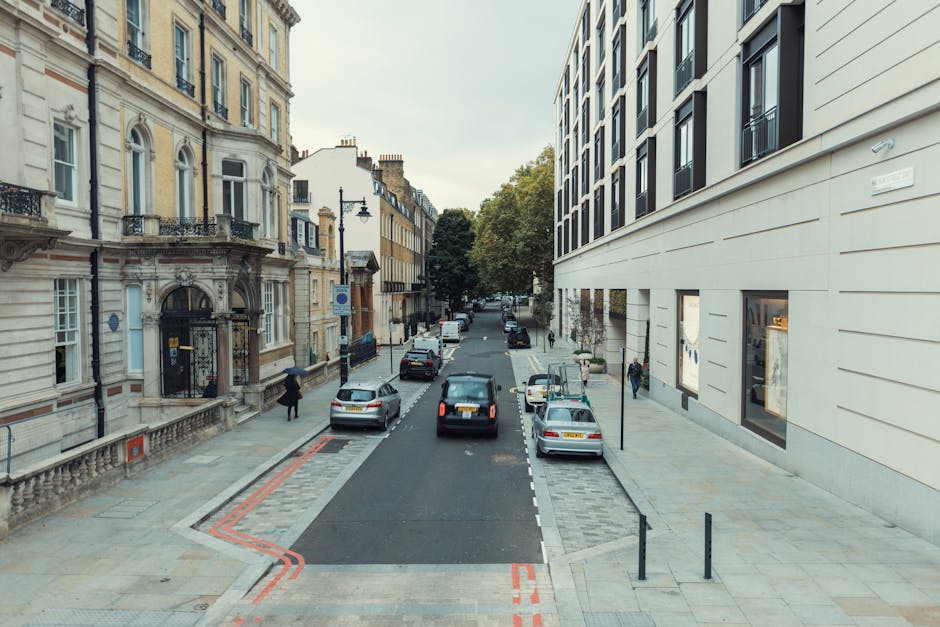
Parking Suspensions & Fines for Mayfair Moves
Posted on 12/07/2026

Parking Suspensions & Fines for Mayfair Moves: A Practical Guide to Avoid Costly Mistakes
Moving in Mayfair can feel deceptively simple on paper. In reality, the parking outside a townhouse, flat, or office can be the part that derails the day. Parking suspensions, loading restrictions, bay rules, yellow lines, and last-minute fines can all turn a well-planned move into a stressful, expensive mess. If you are dealing with Parking Suspensions & Fines for Mayfair Moves, this guide will walk you through what they mean, why they matter, and how to handle them without losing time or money.
To be fair, Mayfair is not the easiest place for vehicles. Streets are busy, access can be tight, and a van that seems perfectly placed for two minutes can quickly become a problem. This article gives you the practical side of the issue: what suspension usually involves, how fines happen, how to reduce risk, and how to plan a move that stays calm even when the street outside does not.
Why Parking Suspensions & Fines for Mayfair Moves Matters
Parking in Mayfair is not just a convenience issue. It affects timing, access, safety, and whether your move is even possible on the day you booked it. A van parked in the wrong place can block neighbours, interrupt deliveries, attract a penalty, or make the crew spend longer carrying items by hand. That is where parking suspensions come in: they are a way of reserving space for a specific activity, usually a move, so the vehicle can load or unload with less risk of conflict.
The reason this matters so much is simple. Mayfair streets are often narrow, high-value, and heavily used. If you have ever watched a van trying to reverse into a tight space near a row of parked cars while someone is walking a dog and a black cab is waiting behind... you will understand the pressure. A small parking mistake in that environment can snowball quickly.
For household moves, office relocations, or specialist removals involving bulky items, parking strategy is part of the job, not an afterthought. It affects everything from the start time to crew size. If you are also planning a flat move, it helps to think beyond the vehicle itself and consider access on both sides of the move, especially if lifts, staircases, or doorstep waiting areas are involved. Our guide on staircase access rules for Mayfair flat moves is useful reading for that side of the picture.
Expert summary: In Mayfair, good parking planning is not about being overly cautious. It is about protecting the move from avoidable disruption. If you get the vehicle position wrong, everything else takes longer and costs more.
How Parking Suspensions & Fines for Mayfair Moves Works
Parking suspensions and fines usually sit on opposite sides of the same problem. A suspension is intended to reserve or temporarily restrict a parking space so that a move can happen more safely and efficiently. A fine, on the other hand, can occur if a vehicle parks where it should not, stays beyond the allowed time, or ignores a restriction that remains active during the move.
In practical terms, you should think of the process in three parts:
- Review the street restrictions. Check whether the road has bays, yellow lines, loading limitations, resident-only spaces, or time-based controls.
- Arrange the right parking setup. If the move needs a reserved space, the arrangement should be made in advance and confirmed clearly.
- Keep the crew aligned on timing. If the van arrives too early, too late, or parks slightly off the agreed spot, the risk of a fine rises fast.
It sounds straightforward. It rarely is. You might have one crew member carrying boxes, another guiding traffic, and a third trying to keep the driver updated while the client is still hunting for a missing key. In Mayfair, those tiny delays matter.
Fines can also happen when a move takes longer than expected and the van remains in a controlled space after the permitted period has expired. The common pattern is not reckless behaviour; it is a good move slipping out of sync. That is why experienced teams often build parking time into the schedule rather than treating it like a free extra.
If you are using a smaller vehicle for a tight street, the risk profile changes a bit. Smaller vans are easier to place, but they still need legal space. If you are comparing vehicle types for a local move, our page on man with van Mayfair can help you think through the practical differences.
Key Benefits and Practical Advantages
When parking is handled properly, the benefit is bigger than avoiding a ticket. You create a smoother moving day, protect the team, and reduce the awkward bits that tend to happen in front of an apartment block or townhouse entrance.
- Less downtime: The crew can load and unload without repeatedly repositioning the vehicle.
- Lower fine risk: A properly managed parking arrangement reduces avoidable enforcement issues.
- Better customer experience: Nobody enjoys watching a move stall because the van has nowhere legal to sit.
- Safer handling: Shorter carry distances usually mean less strain and less chance of knocks or drops.
- Improved scheduling: Parking certainty helps the whole move stay on time.
There is also a less obvious advantage: confidence. When you know the parking side is under control, the rest of the move feels easier. You are not waiting for a knock on the window or trying to decode a street sign while a sofa is halfway out the door. That peace of mind counts for a lot.
For homes in prestige areas, this matters even more because access can be sensitive. If you are moving into or out of a high-end property, planning around parking can save both time and embarrassment. For a broader sense of local moving conditions, you may also find Berkeley Square moves and access tips helpful, especially where building access and vehicle placement need to work together.
Who This Is For and When It Makes Sense
This topic matters for anyone moving in or around Mayfair, but some people feel the impact more than others.
- Home movers: Especially those in flats, townhouses, or buildings with limited street frontage.
- Office movers: Businesses often have fixed windows for access, which makes timing tighter.
- Landlords and letting agents: If you manage a property, you may need the move to happen with minimal disruption to neighbours and residents.
- Families with lots of furniture: Larger loads mean longer parking time and a greater need for a legal stopping point.
- Specialist movers: Piano, antique, and bulky-item moves often need more space and better vehicle placement.
It also makes sense whenever the move is happening on a busy day. A Friday afternoon in Mayfair is a very different world from a quiet midweek morning. Same street, completely different level of pressure. If your move is on a tight schedule, parking should be planned first, not last.
Students and smaller movers sometimes assume parking fines are only a concern for large removals. Not really. A smaller van parked badly can still receive a penalty, and if the loading area is awkward, even a short move can become unexpectedly expensive. If that sounds familiar, student removals Mayfair may be worth a look for the kind of compact, time-sensitive move where every minute matters.
Step-by-Step Guidance
If you want to reduce the chance of fines and keep the move moving, use a structured process. The good news is that most of the stress can be removed before moving day. Most of it, anyway.
- Map the property and the street. Note the closest legal loading space, bay, or stopping point. Look at where the van can actually stand without blocking traffic.
- Identify likely restrictions. Check for yellow lines, resident bays, time limits, and any signs that affect loading or waiting.
- Work out the parking need by item type. A few boxes are one thing. A wardrobe, dining table, or piano is another. Big items often demand a clearer setup.
- Choose the right vehicle. A larger removal van is not always better if the street is tight. Sometimes a smaller vehicle is the smarter choice.
- Build a realistic schedule. Add time for parking, lift waits, stair carrying, and building access checks.
- Confirm roles on the day. Decide who speaks to the driver, who manages access, and who keeps an eye on timing.
- Keep evidence and paperwork ready. If any parking arrangement has been made in advance, have confirmation to hand and keep it easy to show.
A practical point here: do not assume the first usable spot will stay usable. In busy parts of Mayfair, a bay can disappear quickly. A bin lorry, a delivery van, or even a neighbour just nipping out can change the picture. So a backup plan is not overkill. It is normal.
If you are comparing different removal formats, the right choice depends on how much you are moving and how the street behaves. Our pages on man and van Mayfair and house removals in Mayfair are useful for thinking through scale and access together.
Expert Tips for Better Results
In our experience, the best parking plans are the boring ones. Not flashy. Not clever. Just reliable.
- Schedule with a buffer. Ten or fifteen minutes can save a small disaster if the street is busier than expected.
- Walk the route. If possible, check the path from van to doorway before the team starts unloading.
- Keep the van's access priority clear. Do not let the vehicle become an afterthought while the rest of the job starts.
- Use the right size vehicle for the street. Bigger is not automatically better. Sometimes a nimble van is far more practical.
- Plan for neighbours and shared entrances. A considerate move is often a smoother one.
One small thing people forget: loading can slow down dramatically if there is nowhere nearby to pause between trips. That creates a ripple effect. The crew walks further, the van idles longer, and the whole job takes on that slightly frazzled feeling. No one likes that. Least of all the person paying the bill.
If you are handling awkward or high-value items, parking becomes part of protecting the goods too. For example, specialist moves involving antiques or oversized furniture often benefit from a close legal stopping point so the items are carried fewer times. You can see this kind of planning reflected in our guide to moving bulky antiques in Mayfair brownstones.

Common Mistakes to Avoid
Most fines and parking headaches come from a handful of repeat mistakes. The good thing is they are avoidable once you know them.
- Assuming loading is always permitted. Some streets allow stopping only under specific conditions.
- Leaving parking until the morning of the move. That is how avoidable problems start.
- Booking the wrong vehicle size. Too large can mean no legal place to stand; too small can create multiple trips and delays.
- Ignoring time limits. A space that works for the first twenty minutes may not work for the next forty-five.
- Failing to brief the driver and crew. If everyone has a different idea of where the van should sit, confusion follows.
- Forgetting building access constraints. Parking only solves part of the issue if the route inside is slow or narrow.
There is also the classic mistake of being optimistic about the weather. A wet morning, a bit of wind, or a burst of traffic can turn a normal move into a fiddly one. Not dramatic, just irritating enough to matter. And yes, those are the days when parking plan A really needs a plan B.
If you are coordinating removals for a building with complex access, it can help to review the wider move plan too. Westminster Council permits for Mayfair removals is a useful related read when the move depends on managing permissions and access in a careful way.
Tools, Resources and Recommendations
You do not need a huge toolkit to manage parking well, but a few practical items and habits make a real difference.
- Printed confirmation: Keep any parking arrangement details accessible, not buried in an inbox.
- Phone charged and available: Sounds obvious, but the number of moving-day delays caused by flat batteries is mildly embarrassing.
- Site photos: A couple of quick photos of the street and bay area can be useful for planning.
- Timing notes: Write down arrival windows, lift bookings, and handover times in one place.
- Right-size packing: Tidy packing helps moves finish faster, which reduces parking pressure.
For anyone preparing a more involved relocation, it is worth thinking about packing, transport, and storage together. Good packing reduces handling time. Better handling time reduces parking exposure. It all fits. If you are still organising the move itself, our packing and boxes Mayfair page offers a useful starting point, and storage options can also ease pressure when you cannot complete everything in one day.
If your move includes delicate items or specialist furniture, the parking plan should match the item plan. A piano, for example, is not something you want carried a long distance because the van could not stop close enough. For that kind of move, our piano removals Mayfair service page may be a helpful reference.
Law, Compliance, Standards, or Best Practice
When parking and moving in London, the safest approach is to treat road signs, local restrictions, and any agreed suspensions as non-negotiable. Even if a move is under pressure, the van cannot simply ignore the rules because the job is urgent. Fines can still apply, and in some situations the vehicle can also become an obstruction issue.
Best practice is usually straightforward:
- Use legal stopping points only.
- Respect time windows and signage.
- Do not rely on assumptions about loading.
- Keep the move within the agreed scope and duration.
- Make sure the driver understands the parking plan before arrival.
If the move is being organised by a removal company, they should also have their own internal procedures for driver safety, vehicle handling, and customer communication. That is part of normal professional practice, and it helps reduce risk all round. For a broader view of how a mover should approach safety and service, our health and safety policy and insurance and safety pages explain the standards we work to.
Where property management or high-value residential buildings are involved, a considerate approach matters as much as the formal rules. Quiet unloading, clear access management, and careful vehicle placement all help avoid complaints. That side of moving is easy to underestimate until you are there, standing by the kerb, with a sofa in the air and somebody asking if the van really has to be there. Usually, yes. But it should be there legally.
Options, Methods, or Comparison Table
There is no single parking method that suits every Mayfair move. The right choice depends on the street, the property, and the size of the load. Here is a simple comparison.
| Parking approach | Best for | Pros | Watch-outs |
|---|---|---|---|
| Pre-arranged space / suspension | Moves with clear access needs | More predictable, better for larger items, lower disruption | Needs planning ahead and must be used correctly |
| Short legal loading stop | Smaller, faster moves | Quick and flexible | Limited time, may not suit bulky furniture |
| Nearby legal bay with hand carry | Moderate moves where direct access is limited | Can work when the immediate frontage is busy | Longer carry distance, more time on site |
| Ad hoc roadside parking | Rarely the ideal choice | Can be convenient if conditions are calm | Higher fine risk and less predictable |
For many Mayfair moves, the first option is the most sensible because it gives everyone a shared understanding of where the vehicle belongs. That said, if the property is small or access is unusually good, a simpler setup may be enough. The key is matching the parking method to the move, not the other way round.
Case Study or Real-World Example
Here is a realistic scenario. A two-bedroom flat move in Mayfair is booked for a weekday morning. The property is on a narrow street, the lift is shared, and there is limited space outside. The first instinct is to leave parking to the driver on arrival. That would be risky.
Instead, the move is planned around the street conditions. The team identifies a legal stopping option close enough for efficient loading, checks the access route in advance, and times the arrival so the van is not waiting longer than necessary. The packers have already grouped the fragile items and boxed smaller things together, which speeds up the loading sequence. The result is not magic. It is just a move that stays organised.
Now compare that with a less careful version. The van arrives late, the team circles the area looking for a place to stop, and the client is already carrying items downstairs. Suddenly the whole day is wobbling. A small parking issue becomes a bigger time issue, then a people issue, then a money issue. That chain reaction happens more often than people expect.
For moves involving flats with controlled access, the parking plan should be linked to the building plan. You can see more of that thinking in Mount Street flats removals Mayfair specialist and Brook Street townhouse removals in Mayfair, both of which reflect the kind of access awareness that keeps a move sane.
Practical Checklist
Use this checklist before the move starts. It is simple, but it catches the things people forget when they are busy.
- Confirm the exact moving date and arrival window.
- Check the street for loading restrictions, yellow lines, and bay rules.
- Decide whether a reserved space or short loading stop is needed.
- Make sure the vehicle size suits the street and the load.
- Keep parking confirmation and job notes easy to access.
- Brief the driver on the nearest legal stopping point.
- Plan for lift waits, stairs, and hand-carry distance.
- Build in a time buffer, even if the schedule looks tight.
- Prepare a backup option in case the first space is unavailable.
- Leave enough room for neighbours, pedestrians, and passing traffic.
That last one sounds small, but it matters. A move that is polite at street level often gets less pushback and runs more smoothly. London rewards the patient, calm approach more than people think.
Get a free quote today and see how much you can save.
Conclusion
Parking suspensions and fines are not the glamorous side of a Mayfair move, but they are often the difference between a tidy relocation and a frustrating one. If you get the parking right, everything else becomes easier: the crew works faster, the items travel more safely, and the move feels far more controlled.
The main lesson is straightforward. Treat parking as part of the moving plan from day one, not as a last-minute detail. That one habit saves time, lowers stress, and can help prevent costly penalties. And honestly, on a busy Mayfair street, that is no small thing.
Whether you are moving a flat, a house, an office, or a single valuable item, a careful parking plan gives you breathing room. And in a place like Mayfair, breathing room is worth a lot.